Introduction
Retaining Wall Installation Melbourne is one of the smartest upgrades for sloping blocks across Victoria. Many Melbourne homes sit on uneven land. Without proper support, soil shifts, drainage fails, and landscaping suffers. A professionally built retaining wall solves these issues while adding value and street appeal.
If you want stability, safety, and a polished outdoor look, Retaining Wall Installation Melbourne gives you long-term results. This guide explains everything you need to know, from materials to compliance and expert tips.
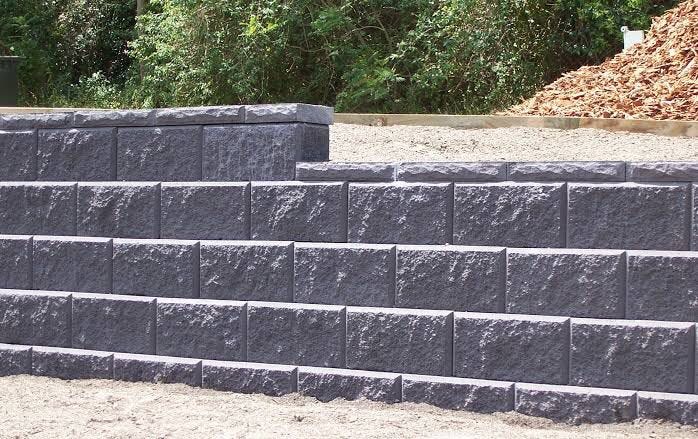
What is Retaining Wall Installation Melbourne?
Retaining Wall Installation Melbourne involves designing and building a structural wall that holds back soil. It prevents erosion, controls water flow, and creates usable space on sloped land.
Builders commonly use concrete sleepers, timber, natural stone, or reinforced block systems. Each material suits different budgets and soil conditions. Melbourne’s reactive clay soils require careful engineering. Without proper footing depth and drainage, walls can lean or crack.
A qualified contractor will assess soil type, slope angle, drainage needs, and council regulations before construction begins.
Why Retaining Walls Matter in Melbourne
Melbourne’s weather changes quickly. Heavy rain followed by dry spells puts pressure on soil. According to the Victorian Building Authority, poor drainage remains one of the leading causes of structural landscape failures.
Retaining Wall Installation @melbourne protects your property by stabilising soil and redirecting water. It prevents garden beds from collapsing and stops foundations from shifting.
It also increases property value. Real estate agents in suburbs like Melbourne report that well-designed landscaping can add up to 10 percent to resale value. A retaining wall transforms unusable slopes into functional terraces, patios, or garden zones.
Types of Retaining Walls for Melbourne Homes
Concrete Sleeper Retaining Walls
Concrete sleepers remain the most popular choice for Retaining Wall Installation Melbourne. They resist rot, termites, and moisture. Modern finishes replicate timber or stone, giving both durability and style.
Homeowners in growing suburbs like Tarneit and Point Cook often choose concrete sleepers because they require minimal maintenance and last over 30 years.
Timber Retaining Walls
Treated pine offers a budget-friendly solution. Timber suits smaller walls under one metre high. However, Melbourne’s moisture cycles can reduce lifespan if drainage fails. Professionals always install proper agi pipes and backfill to extend durability.
Block and Stone Walls
Natural stone and masonry blocks create premium finishes. These systems require engineering for walls above one metre. Many high-end properties in Brighton prefer stone for aesthetic appeal.
Step-by-Step Process for Retaining Wall Installation Melbourne
Every successful Retaining Wall Installation Melbourne follows a structured process.
First, professionals inspect the site. They measure slope gradient and identify drainage paths. Soil testing helps determine footing depth.
Next comes council compliance. In many Melbourne councils, walls above one metre require permits and engineering drawings.
Excavation follows. Contractors dig trenches and set steel posts in concrete. Strong foundations prevent future movement.
Then they install sleepers or blocks. Proper alignment ensures structural strength.
Drainage installation remains critical. Builders place agi pipes and crushed rock behind the wall. This prevents hydrostatic pressure, the main cause of wall failure.
Finally, they backfill and compact soil carefully. Landscaping finishes complete the project.
Drainage and Engineering Considerations
Drainage separates professional Retaining Wall Installation Melbourne from poor workmanship. Water pressure builds behind walls during heavy rainfall. Without drainage pipes, pressure causes cracking and bulging.
Engineers calculate load-bearing requirements. For walls above one metre, Australian standards demand structural design certification. Reinforcement, footing width, and soil classification all impact safety.
Ignoring these details leads to expensive repairs later.
Cost of Retaining Wall Installation Melbourne
Costs vary depending on material, height, and access. On average, concrete sleeper walls in Melbourne range between $350 and $600 per square metre.
Timber walls cost less initially but may require replacement within 15 years. Stone walls cost more but deliver premium appeal.
Factors influencing price include excavation difficulty, permit requirements, drainage complexity, and site access.
Investing in quality Retaining Wall Installation Melbourne reduces long-term maintenance expenses.
Common Mistakes to Avoid
Many homeowners try DIY retaining walls to save money. Poor footings and weak drainage often lead to collapse.
Another mistake involves ignoring council requirements. Non-compliant walls can attract fines and insurance issues.
Choosing materials without considering soil conditions also creates problems. Reactive clay expands and contracts. Professionals design walls to handle movement.
Landscaping Ideas with Retaining Walls
Retaining walls create functional outdoor zones. You can build tiered gardens, seating areas, or raised vegetable beds.
Homeowners often combine Retaining Wall Installation Melbourne with decking, paving, and outdoor lighting. This transforms unused slopes into entertaining areas.
Creative designs increase both lifestyle value and property appeal.
How to Choose the Right Contractor
Look for licensed and insured professionals. Ask for recent Melbourne project examples. A reputable builder provides engineering documentation and explains drainage plans clearly.
Experience with local soil conditions matters. Contractors familiar with Melbourne’s terrain understand compliance rules and climate challenges.
Transparency in quotes and timelines builds trust.
FAQs About Retaining Wall Installation Melbourne
How long does Retaining Wall Installation Melbourne take?
Most residential projects take three to seven days depending on size and access.
Do I need council approval?
Walls above one metre or near boundaries often require permits. Always confirm with your local council.
How long will a retaining wall last?
Concrete sleeper systems can last over 30 years with proper drainage.
Can retaining walls increase property value?
Yes. Structured landscaping improves usability and visual appeal, which boosts resale potential.
What is the best material for Melbourne soil?
Concrete sleepers perform best in reactive clay conditions common across Melbourne suburbs.
Conclusion
Retaining Wall Installation Melbourne provides structural stability, erosion control, and landscaping transformation. When built correctly, a retaining wall protects your property for decades.
Professional design, quality materials, and expert drainage planning make the difference between long-term success and costly repairs.
Homeowners across Melbourne continue to invest in retaining walls because they add safety, space, and value.
Get Expert Retaining Wall Installation Melbourne Today
If you want reliable, compliant, and long-lasting Retaining Wall Installation Melbourne, work with experienced professionals who understand local soil and council requirements. Transform your sloped land into usable, beautiful space with expert Retaining Wall Installation Melbourne designed for durability and performance.
Contact a trusted Melbourne specialist today and secure your property with professional Retaining Wall Installation Melbourne built to last.
Comments
Post a Comment