Introduction
Walkways in Melbourne play a bigger role than many people realise. They connect homes, gardens, commercial spaces, and public areas while shaping how a property looks and feels. In a city known for changing weather and strong design standards, choosing the right walkway solution matters. From suburban backyards to busy commercial sites, well-built walkways improve safety, boost property value, and enhance everyday use. This guide shares proven secrets, expert insights, and practical knowledge to help you understand, plan, and invest in durable walkways in Melbourne that stand the test of time.
What Are Walkways in Melbourne?
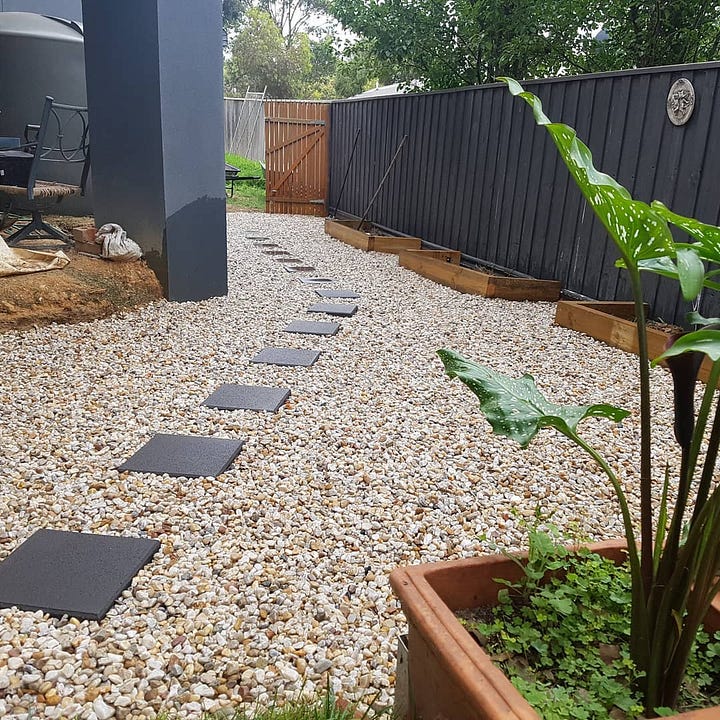
Walkways in Melbourne refer to purpose-built paths designed for foot traffic across residential, commercial, and public spaces. These paths guide movement, protect landscaping, and create clear access points. Local walkways often use materials suited to Melbourne’s climate, such as concrete, exposed aggregate, stone, or pavers. Each option balances durability, slip resistance, and visual appeal. Unlike simple paths, professionally designed walkways in Melbourne consider drainage, soil movement, and council regulations to ensure long-term performance and safety.
Why Walkways Matter in Melbourne Properties
Walkways in Melbourne matter because they directly affect usability and safety. Melbourne records more than 150 rainy days each year, which increases slip risks on poorly built surfaces. A properly constructed walkway improves traction and manages water runoff. Walkways also influence first impressions. Real estate studies in Australia show that strong outdoor presentation can increase perceived property value by up to 10 percent. For businesses, clear walkways reduce liability risks and guide customers smoothly through the space. For homeowners, they create flow and reduce wear on lawns and gardens.
Popular Types of Walkways in Melbourne
Concrete walkways remain a top choice across Melbourne suburbs. They offer strength, affordability, and design flexibility. Exposed aggregate walkways suit modern homes and commercial sites because they provide texture and slip resistance. Paver walkways work well in heritage areas where style matters as much as function. Natural stone walkways appeal to high-end projects and landscaping-focused homes. Each type of walkway in Melbourne performs best when installed with proper base preparation and drainage planning.
Residential Walkway Solutions
Residential walkways in Melbourne often connect driveways, entrances, gardens, and outdoor living areas. Homeowners prefer designs that match the home’s architecture and landscaping. Curved walkways soften modern builds, while straight lines suit contemporary homes. Experts recommend a minimum width of one metre for comfort and accessibility. In family homes, slip resistance and low maintenance matter more than decorative finishes. Well-designed residential walkways in Melbourne reduce mud, improve safety, and increase everyday convenience.
Commercial and Public Walkway Design
Commercial walkways in Melbourne must handle higher foot traffic and stricter compliance standards. Shopping centres, offices, schools, and healthcare facilities rely on durable materials and clear layouts. Australian Standards require specific gradients and surface textures to support accessibility. Public walkways also focus on longevity, as repairs disrupt daily operations. Many councils in Melbourne now prioritise sustainable materials and permeable surfaces to support stormwater management and urban cooling.
Key Design Factors for Walkways in Melbourne
Successful walkways in Melbourne start with ground preparation. Soil movement remains a common issue due to clay-heavy conditions in many suburbs. A compacted base prevents cracking and uneven surfaces. Drainage design plays a critical role, especially during heavy rainfall. Surface slope must direct water away from buildings. Width, lighting, and edging also influence long-term performance. Experienced contractors assess foot traffic patterns to ensure the walkway feels natural and functional.
Cost Considerations and Long-Term Value
The cost of walkways in Melbourne varies based on materials, site access, and design complexity. Basic concrete walkways cost less upfront, while stone or decorative finishes cost more. However, long-term value matters more than initial price. Poor construction leads to cracks, pooling water, and frequent repairs. Industry data shows that quality outdoor concrete can last over 30 years with minimal maintenance. Investing in professional walkway construction reduces future costs and protects property value.
Common Mistakes to Avoid
Many property owners underestimate the importance of base preparation. Skipping this step causes sinking and cracking within a few years. Another mistake involves ignoring drainage, which leads to slippery surfaces and water damage. Choosing style over function also creates problems. Smooth tiles may look appealing but become dangerous in wet conditions. Expert builders of walkways in Melbourne always balance aesthetics with safety, durability, and compliance.
Maintenance Tips for Long-Lasting Walkways
Walkways in Melbourne require simple but consistent care. Regular cleaning removes algae and debris that cause slips. Sealing concrete or stone surfaces protects against moisture and stains. Checking edges and joints prevents small issues from becoming major repairs. With proper care, high-quality walkways maintain both appearance and performance for decades.
FAQs About Walkways in Melbourne
How long does it take to install walkways in Melbourne?
Most residential walkways take a few days, depending on size and weather. Larger or commercial projects may take longer due to curing time and site preparation.
Do walkways in Melbourne need council approval?
Some projects require permits, especially in heritage zones or public-facing areas. A local contractor can confirm requirements before work begins.
What is the best material for wet conditions?
Exposed aggregate and textured concrete perform well in wet Melbourne weather due to their slip resistance.
How wide should a standard walkway be?
A comfortable residential walkway usually measures at least one metre wide. Commercial walkways require wider access for compliance.
Conclusion
Walkways in Melbourne do more than connect spaces. They improve safety, enhance design, and add long-term value to properties. From residential paths to commercial accessways, thoughtful planning and quality construction make all the difference. Melbourne’s climate and soil conditions demand professional expertise and durable materials. When designed correctly, walkways become a lasting asset rather than a recurring problem.
Final Call-to-Action
If you are planning new or upgraded walkways in Melbourne, now is the time to work with experienced local professionals who understand design, drainage, and durability. High-quality walkways in Melbourne improve safety, boost value, and deliver results you can trust. Reach out to a trusted specialist today and invest in walkways in Melbourne that truly stand the test of time.
Comments
Post a Comment